

Climate change in basic terms is when weather starts forming an unfamiliar pattern. It is a change in the usual weather. This for example, could be more or less rainfall seen for that year or changes in the usual temp for that month or season. Climate change can also be seen on an earth wide scale. It can be seen with changes in earth's overall temperature or a change in where rain and snow usually falls.
A variety of external factors can have an impact on climate change and its consequences. Things like rising greenhouse gas emissions, farming, deforestation, and other issues.
The temperature of the earth then rises as a result of an increase in greenhouse gases. Methane and carbon dioxide are two gases that are prevalent. Deforestation and the burning of fossil fuels both contribute to the increase in carbon dioxide levels. The fact that carbon dioxide lingers in our atmosphere for a very long time is another major problem. The other gas is methane, whose levels are rising as a result of landfills, animals, and oil and gas firms. Because methane traps more heat than carbon dioxide and is more harmful, reducing emissions of this gas is ideal.

Deforestation and cultivation both contribute to an increase in emissions. Land clearing for crops is responsible for one fifth of all emissions. The global food supply chain's packaging and transportation are also factors. Around 30% of world emissions are a result of rising sea levels owing to agricultural reasons. The removal of trees or forests is known as deforestation. Tropical rainforests around the world offer a home for various species and people, as well as food, medicine, and other necessities. Despite these issues, forests are being destroyed. Because trees absorb carbon, when vast regions are destroyed, enormous amounts of carbon are released into the atmosphere. Burning fossil fuels releases carbon into the air and because there is so much being puffed into the atmosphere, trees are unable to keep it with the growing levels. Results from climate change like drought, storms, and wildfires then increase in frequency because deforestation and rising levels press even harder.

Before and after devastating deforestation.
To lower greenhouse gas emissions, the dependency on fossil fuels would have to change. Coal, natural gas, and oil are examples of fossil fuels. These are all things that are used in manufacturing and even in everyday life. However, there are alternatives. Clean energy sources such as wind and solar could be used instead of fossil fuels. Along with alternative biofuels and investments in companies promoting change.
The cost of living, oil, and emission crises are affecting millions worldwide. Two European women from London and Newcastle went to drastic measures to get their points across. On October 14th, 2022, they went into the National Gallery and threw soup on Vincent Van Gogh's famous painting, Sunflower. After throwing the soup, the women then superglued their hands to the museum's wall and gave an impactful speech about the cost of living and the cost of the oil crisis. This sparked outrage among the public, but also gave an immense amount of attention to the points they were trying to make.
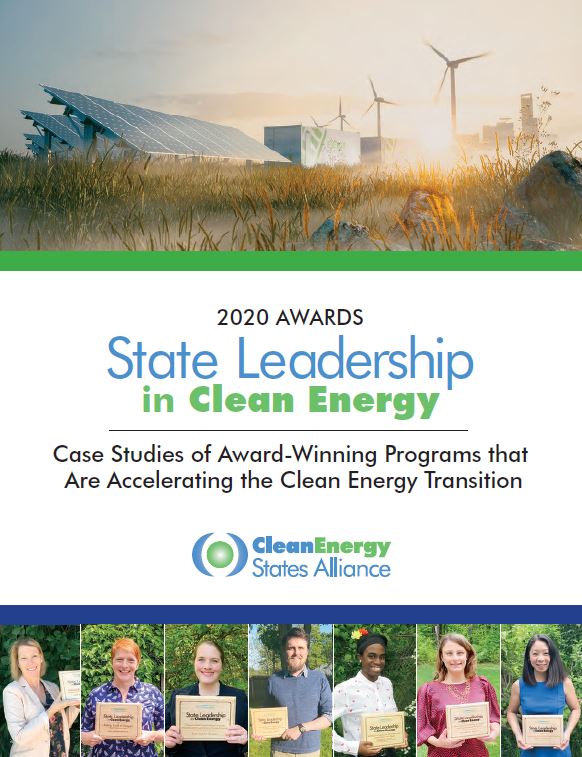
An organization that works hard to advocate and create change through clean energy is CESA, which stands for Clean Energy States Alliance. They are a non-profit, national organization that advocates for advancing state and local clean energy programs, projects, tools, policies, and more. They have created projects like their 100% Clean Energy Collaborative, which provides knowledge, assistance, and opportunities for states that have 100% clean energy goals. Another big project they did was their Scaling up Solar for Under-Resourced Communities, that addresses the future of solar energy in the United States. This project helped to increase the development of solar energy in all different areas regardless of income.
Listed below is a change.org petition you can go and sign to help ensure we have clean renewable energy by 2030.
https://www.change.org/p/the-world-100-clean-renewable-energy-by-2030
"Basics of Climate Change." US EPA, 19 Aug. 2022, www.epa.gov/climatechange-science/basics-climate-change. Accessed 2 Nov. 2022.
Colombo, Barrett, et al. "How Does Agriculture Change Our Climate?" Environment Reports, www.environmentreports.com/how-does-agriculture-change/. Accessed 2 Nov. 2022.
Dean, Annika. "Deforestation and Climate Change." Climate Council, 19 Aug. 2021, www.climatecouncil.org.au/deforestation/. Accessed 2 Nov. 2022.
Garza, Alejandro. "Why Climate Protesters Are Throwing Food at Art." Time, 25 Oct. 2022, time.com/6224760/climate-activists-throw-food-at-art/. Accessed 2 Nov. 2022.
"Methane is the Second Most Dangerous Greenhouse Gas." Sustainability for All | ACCIONA, www.activesustainability.com/climate-change/methane-greenhouse-gas/?_adin=02021864894. Accessed 2 Nov. 2022.
"Scaling Up Solar for Under-Resourced Communities." Clean Energy States Alliance, 26 May 2021, www.cesa.org/projects/scaling-up-solar-for-under-resourced-communities/.
Stillman, Dan, and JoCasta Green. "What Is Climate Change?" NASA, 7 Aug. 2017, www.nasa.gov/audience/forstudents/k-4/stories/nasa-knows/what-is-climate-change-k4.html. Accessed 2 Nov. 2022.