


A school shooting is an attack at an educational institution, such as a primary school, secondary school, high school, or university, involving the use of firearms. Many schools are also categorized as mass shootings due to multiple casualties. The United States has the highest number of school-related shootings. School shootings have sparked a political debate over gun violence, zero tolerance policies, gun rights, and gun control.
Preparing for a school shooting requires collaboration among parents, students, teachers and staff. With the right approach to school shooting preparedness, however, individuals of all ages can take the necessary steps to minimize risk and stay safe throughout an active shooter incident.
Now, let’s take a look at 10 tips to prepare for a school shooting.
There is no telling when a school shooting will take place. As such, an emergency action plan is a must-have for all schools, regardless of size or location. This plan helps school administrators prepare for active shooter emergencies and identify and implement appropriate training programs. School administrators should work closely with parents, teachers, students and law enforcement to develop an emergency action plan. Also, it generally is a good idea to update this plan regularly.
A lockdown is a lynchpin of an effective school emergency action plan. During a lockdown, it is crucial to lock all doors and windows, turn off all lights and remain in place until authorized personnel deliver an “all clear” message. School administrators should establish lockdown protocols and share them with students, faculty and staff. Additionally, schools should perform lockdown drills at different times throughout the year and update their lockdown protocols as needed.
Situational awareness training allows a school to educate its students, faculty and staff about what to do if they identify potential risks. If a person looks suspicious or displays odd behaviors, it is paramount to report this individual to school administrators right away, because doing so could stop a school shooting.
Active shooter drills help schools prepare for the worst-case scenarios. They enable students, teachers and staff to prepare for everything from school lockdowns to massive school shootings. Meanwhile, these drills often help individuals build the skills and confidence they need to properly respond to a school shooting.
The top priority during a school shooting is to vacate the premises as quickly and safely as possible. In the event of a school shooting, an individual should be ready to leave his or her belongings behind and try to exit the building. He or she should also try to help others escape the building whenever possible. And once an individual gets away from a school shooting, he or she should warn others to stay away from the premises and call for emergency help.
Shout the term “gun or “gunman” to immediately notify others about an active shooter emergency. This helps ensure students, faculty and staff will instantly know that an active shooter emergency is in effect so they can respond accordingly.
If escape is not an option during an active shooter emergency, go to a closet, classroom or any other safe area to hide. Next, use chairs, desks and other furniture or items to barricade the door closed and deny access to a shooter.
For those who shelter in place and have a cell phone during an active shooter emergency, call 911. Then, provide the 911 dispatcher with as much information as possible about the incident. After the call is over, either silence the cell phone or keep it on and stop talking so the 911 dispatcher can continue to hear what is happening at the scene.
During the 2007 Virginia Tech massacre, several students in Room 204 lowered themselves down from a second-floor window to escape, The Lily reported. Comparatively, students in Room 205 used tables and chairs to barricade the door closed and prevent the shooter from entering the classroom. The aforementioned examples show the importance of taking action to survive a school shooting. If possible, individuals should take any actions that they feel will improve their chances of survival during a school shooting.
Confronting an active shooter is a last resort in a school shooting. But keep in mind that in some instances, individuals may be able to overpower or wrestle an active shooter if he or she stops to reload a gun.
Preparing for a school shooting may differ depending on the location, the shooter, and security protocols. Understanding the school's protocol is important, however teaching your child to run, hide, and fight is also critical.

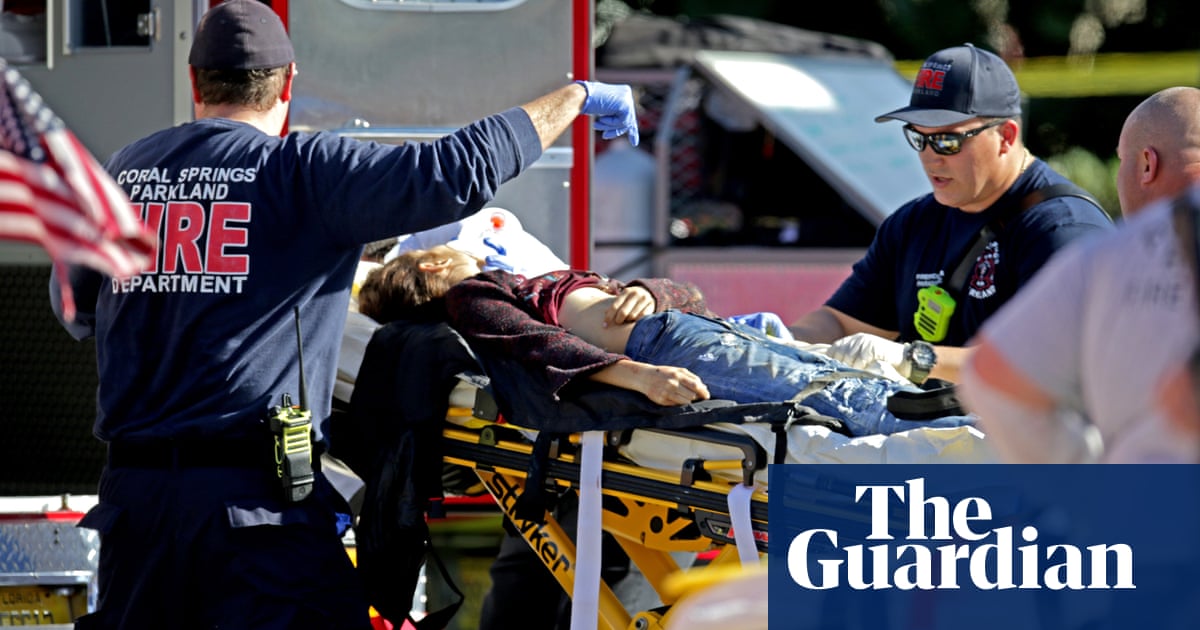
Conclusively, the aftermath of a school shooting is devastating. Children experience a mass of emotions including stress, fear, anxiety, anger, shock, and grief. Schools have implemented preventative measures such as anti-bullying campaigns, school counselors, and access to health resources. Parents will have to work with their children that struggle with this issue, this will include counseling and therapy to start. Possibly the children may experience mental problems that are associated with the aftermath.
Disaster Distress Helpline 24/7/365 1(800)985-5990