

Background on Alcoholism
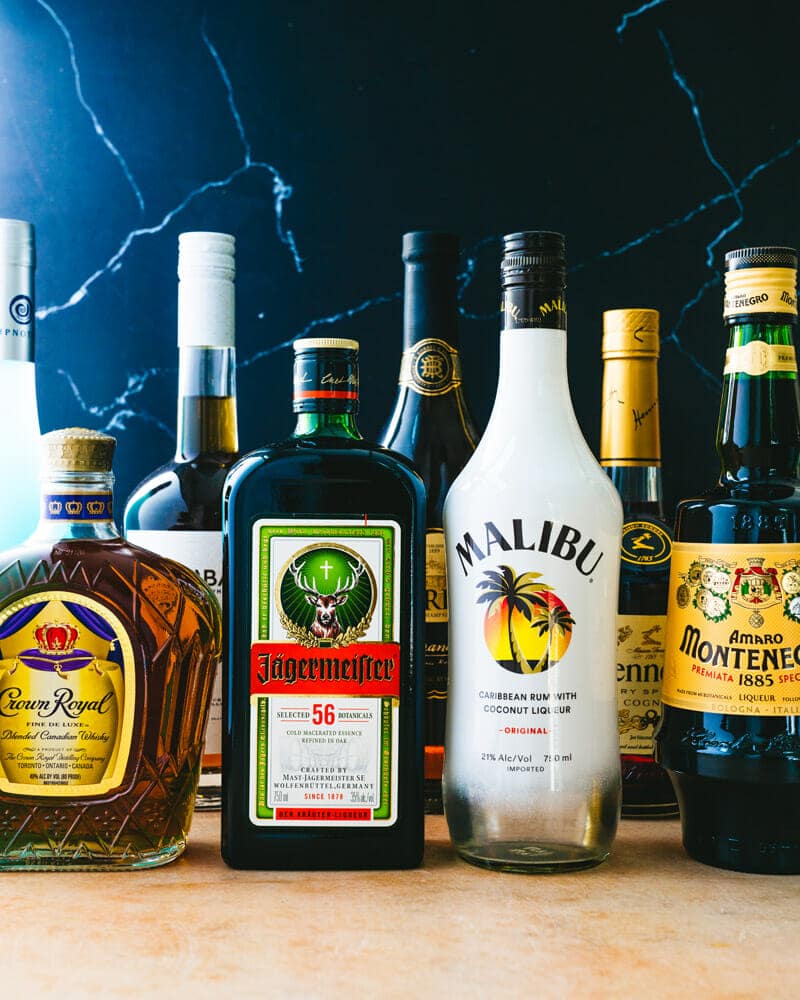
alcohol has been an issue for many years for a certain class of people who we call Alcoholics. it does not matter what age, sex, gender or social status you hold, alcoholism does not discriminate. alcoholism and drug addiction are often referred to as "substance abuse" or "chemical dependency".
Discovery of late stone age jugs suggest that people have used fermented fruit to make alcohol sense 3000 B.C. alcoholism became main stream about 1,300 years ago when human developed agriculture, alcohol has been the most widely available addictive substance since then.
Alcohol Anonymous was started in 1935 with two men seeking to get sober, Bob S and Bill W. They helped each other by relating to each other and using each other to support them through their troubles, they soon sought others and thus became a group to help others get sober. Alcohol anonymous is still a big platform for all people to get connected and get started on a better path.
Background on Mental Illness
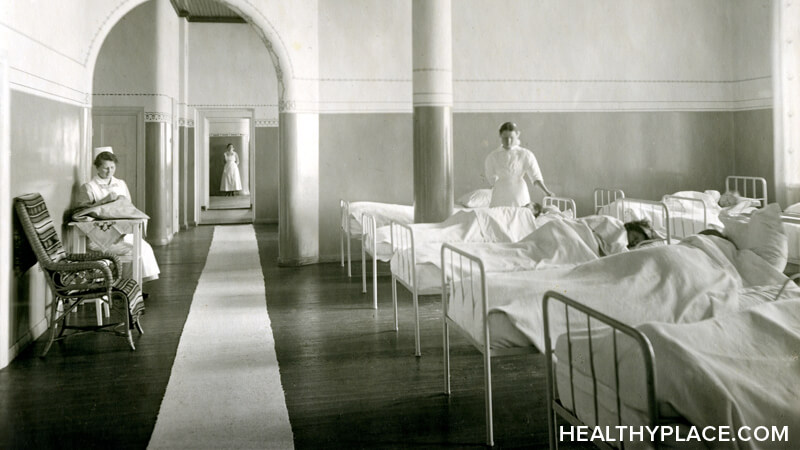
Many cultures viewed mental illness as a religious punishment or demonic possession. In the 1840's activist Dorthea Dix lobbied for better living conditions for the mentally ill. by this time they started treating mental illness with changes in environment and the use of medications. Over a 40 year period, Dix successfully persuaded the U.S government to fund the opening of 32 state psychiatric hospitals, giving more direct care for the ill individual, also giving help to the struggling families, with advice and counseling. the state hospitals were helping but were usually under staffed and under funded, leaving a strain still on mental health care. by the mid 1950's there was a push for deinstitutionalization for the mentally Ill. giving them out patient care and outside counseling and smaller institutions in which to live. many big hospitals closed down and many small mental health care facilities opened up, and care at home became more possible.
Even with all the changes in care over time many mentally ill go undiagnosed and untreated. there is still a negative stigma that comes with mental illness and the various was to treat it. The U.S is one of the leading countries in treating mental illness and its reform, with that said it is still a struggle to treat and care properly for the mentally ill and there is still a debate on institutionalism and its pro's and con's.
Personal Experiences
Nora,
My story is long and complicated, so I'll explain it the best I know how in a short version. In my early 20's I started to have panic attacks, they were far and few in between. I was drinking what I thought was moderately after work, I worked second shift and had a two-year-old daughter. The anxiety attacks became more frequent, so I went to see a doctor. they told me I was bipolar and needed to take medication and that it was causing me panic attacks. My mental health started slowly going downhill and my drinking picked up. I thought I was treating my depression and if you felt like I did you'd drink like me too. In less than a year I was diagnosed bipolar with anxiety and depression, also they added agoraphobic and borderline personality traits. I was not leaving my house, I wasn't taking care of my body or hygiene, I just drank and hid at home. I have seen plenty doctors and have lots of tests done and medication changes. One of the biggest problems was I didn't tell my doctors I drank; I didn't think that mattered. I spent 10 years not leaving the house unless absolutely necessary, I was convinced if I got too far away from home one of my panic attacks would get me and I would die. I was living in a personal Hell, of mental health issues and alcoholism.
One day while I was on a two-day drinking binge and was out of control in a black out, so friends and family came to help me and my daughter. they recorded me on their phones. When they got me sobered up, they insisted that I get help for my drinking. That very next day a friend took me to an Alcohol Anonymous meeting. At that meeting people shared how they were when drinking and all the problems it caused with relationships and work and your mental health. so, I thought if all these people can get sober so can I. They gave me guidance in the beginning to go to a meeting a day or even more if needed. they encouraged me to work with another alcoholic (sponsor), and to not pick up a drink just for today. I had had enough of living in this repeated misery. That day I stopped drinking, and my life began to change. I felt supported and understood for the first time in forever.
four years later I am doing much better with my mental health, I am still bipolar and have anxiety but with medications, regular AA meetings and counseling I can manage as a normal functioning human being. I can leave my house, I can take my daughter to her events, I've been on vacation with my family. I am living a happier and healthier life then I could have imagined. I chair meetings at AA and am a very active person in the program. I learned that I have a disease of Alcoholism and if I pick up a drink, I'm only hurting myself and the people around me, and that I could manage my mental health if I lived a certain way.
Alisha
As a kid I wasn't surrounded by alcohol or even mental issues. What I was surrounded by was love and compassion as any child would have. As I got older and moved 750 miles away from where I was born, I started to be around alcoholism more and experienced how it effects mental health of not only the alcoholic but also the people around them.
I was about 12 years old when a new neighbor moved in next door, and he became a big part of my life. I considered him my big brother even though he was in is late 40s. I loved him as my brother and to him, I was his little sister. The issue was that he was a raging alcoholic, and half the time was drunk or at least starting to get drunk when I would hang out with him. At that age though I didn't really notice anything because I didn't know what alcoholism was or what it looked like. But what I did start to notice was that he was never active when he would drink and all he would do was sit in his chair and down drink after drink.
The sad part was, he never tried to hide it from me. I guess he just didn't care enough to hide it from me. His drinking caused many fights between him and my parents, who were just trying to protect their daughter from this fact of life. At 16 I cut him out of my life after his drinking became too unbearable and it was starting to affect my mental health. But that didn't last, within a few months he was back in my life, and we picked up right where we left off but this time, he was trying to hide his drinking from me and soon I notice the signs again; causing me to once again cut him out of my life.
When I was 17, he almost died from an infection that had spread through his entire body. I hadn't talk to him in over 6 months and honestly it hurt me to know that fact. But I knew that it was the right thing for me at that time. He was in the hospital for month, going into and out of comas and legally dying a few times. He was lucky to be alive and when he got out of the hospital, he started rehab and started drinking. But that was only for a few months, then he was back in rehab for once again drinking too much. That was one of the last straws for me, I thought I wasn't going to give him another chance, but I did. He had been sober, or so we thought, for a couple of months and was becoming healthier and healthier. I had finally had my big brother back after almost 3 years of not having him. Like normal though, that didn't last. I walked into his house for a party he was having and found him surrounded by beer cans; deep down I knew but when he told me they were from his friends I believed him. But the next day, I go to hang out and swim and find that he had a friend buy him alcohol and that it was it. I was done. After all he put me through, to know that he was once again throwing his life away by drinking hurt me beyond anything; not only that but he had been lying to all of us. That was what hurt the most.
One day in the near future, I know that we will get a phone call saying he has passed and honestly as bad as this sounds, I will be happy that I won't have to go through any more pain because of him. I will finally get to begin healing after everything he has put me through.
The affects of Alcoholism can come on in your first month of over use or years into over use, but the over use of alcohol has been linked to many mental health issues. Alcoholism can cause mental health issues or make existing conditions worse. It is hard to tell if the illness is caused by the usage or was originally in the person, the most effective way to find out is to have the ill person become sober.
Here is a list of Alcohol induced illnesses,
These are just the mental effects on the person whom is drinking. there are many other physical changes and problems in the body when over consuming Alcohol, not to mention liver disease or failure, heart disease, stroke, digestive problems. Cancer of the breast, throat, mouth, colon and rectum. All in which can cause stress on your mental health as well.

Prison Connections
Mental illness and alcoholism

How Does Mental Health Affect Your Chances of getting into prison?
How does alcoholism affect your chances of going to prison?

In simplest term, yes, poverty has a big impact on both alcoholism and mental health. To go deeper into this connection first we have to define what poverty actually is. Oxford definition is "the state of being extremely poor," but it also includes having a lack of ability to provide the basic needs, education, resources, and health care needed. Not having those necessities that we often take for granted can cause a big strain on most people and this is where alcohol and substance abuse can come into play.
For starters:
Not only does poverty increase your chances for substance abuse, but substance abuse can cause poverty. This can come from many things:


How to get treatment
treatment involves counseling, medication, treatment centers, life style changes and support groups.
SYMPTOMS OF ALCOHOLISM
SYMPTOMS OF MENTAL ILLNESS
addicted.org/michigan-long-term-drug-rehab.html
1-800-304-2219
Nolo. (2017, September 12). Mental health and our prison population. www.lawfirms.com. Retrieved October 5, 2022, from https://www.lawfirms.com/resources/criminal-defense/mental-health-our-prison-population#:~:text=In%20addition%20to%20harming%20themselves%2C%20inmates%20with%20mental,those%20who%20don%27t%20struggle%20with%20their%20mental%20health.
Drugs & Substance Abuse in the Criminal Justice System. (2017, November 22). National Institute of Corrections. https://www.nicic.gov/projects/drugs-substance-abuse-criminal-justice-system
admin. “The Role of Substance Use in Probation Outcomes (2020).” National Institute of Corrections, 17 Dec. 2020, nicic.gov/role-substance-use-probation-outcomes-2020. Accessed 5 Oct. 2022.
The Natural History of Alcoholism. https://www.ncbi.nim.nih.gov
A Brief History of Alcoholism https://wwwmentalhelp.net/substance-abuse/alcohol/history/
A Brief History of Mental Health Illness and the U.S Mental Health Care System. uniteforsight.org
Alcohol use disorder. mayoclinic.org
Key substance use and mental health indicators in the United Sates: Results from the 2019 National Survey on drug use and health. samhsa.gov
DIAGNOSTIC AND STATISTICAL MANUAL OF MENTAL DISORDERS, FIFTH EDITION DSM-5, AMERICAN PSYIATRIC ASSOCIATION. copy write 2013, "latest edition." BOOK